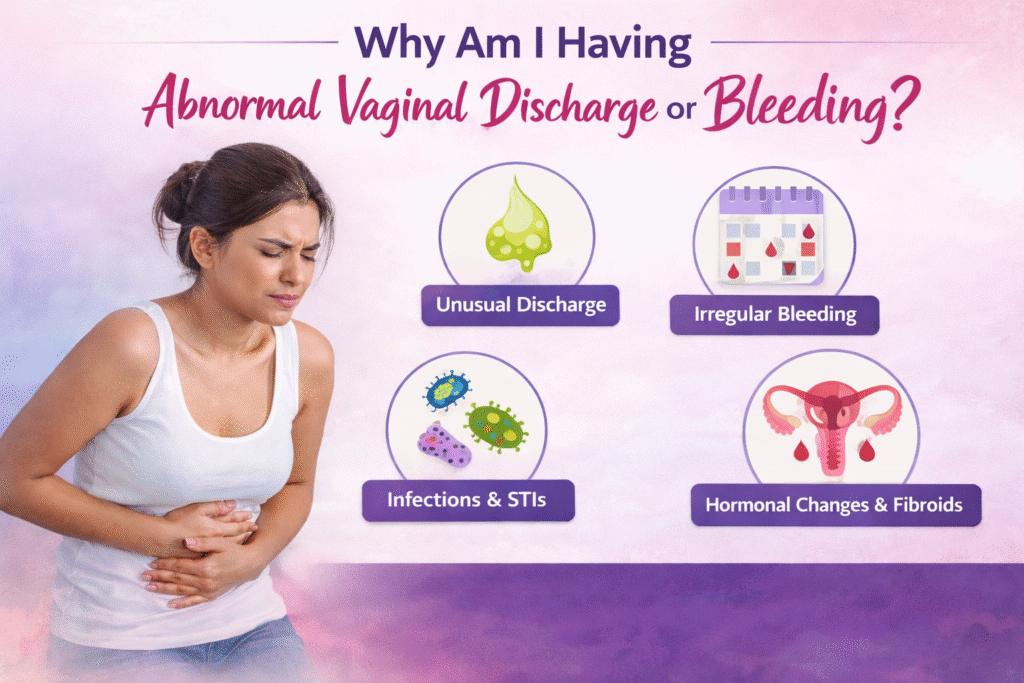
Abnormal vaginal discharge or bleeding is a common concern among women, yet it often causes confusion, anxiety, or hesitation in seeking medical help. While some changes are normal during different phases of the menstrual cycle, persistent or unusual symptoms should never be ignored. Understanding the possible causes can help you take timely action and protect your reproductive health.
This blog explains why abnormal vaginal discharge or bleeding occurs, when it is considered normal, and when you should consult the best gynecologist in Noida Extension for expert care.
What Is Considered Normal Vaginal Discharge?
Vaginal discharge is the body’s natural way of keeping the vagina clean and healthy. Normal discharge may vary in texture, color, and quantity depending on:
- Ovulation
- Menstrual cycle phase
- Pregnancy
- Sexual activity
- Hormonal changes
Normal discharge characteristics:
- Clear or milky white
- Mild or no odor
- Not accompanied by pain, itching, or burning
What Is Abnormal Vaginal Discharge or Bleeding?
Abnormal vaginal discharge or bleeding refers to any change that is unusual for your body. This includes changes in color, smell, consistency, or timing of bleeding.
Signs of abnormal discharge or bleeding:
- Yellow, green, gray, or foul-smelling discharge
- Thick, cottage-cheese-like discharge
- Bleeding between periods
- Bleeding after intercourse
- Very heavy or prolonged periods
- Post-menopausal bleeding
Common Causes of Abnormal Vaginal Discharge or Bleeding
1. Vaginal or Cervical Infections : Bacterial vaginosis, yeast infections, and sexually transmitted infections (STIs) can cause abnormal discharge and spotting. These infections often present with itching, burning, or a strong odor.
2. Hormonal Imbalance: Hormonal fluctuations caused by stress, thyroid issues, polycystic ovary syndrome (PCOS), or birth control pills can lead to irregular bleeding or discharge.
3. Pelvic Inflammatory Disease (PID): PID is a serious infection of the reproductive organs that may cause abnormal bleeding, pelvic pain, and unusual discharge. Early diagnosis is essential to prevent fertility issues.
4. Uterine Fibroids or Polyps: Non-cancerous growths in the uterus can cause heavy periods, spotting, or prolonged bleeding.
5. Pregnancy-Related Causes: Spotting during early pregnancy can occur, but bleeding may also signal complications such as miscarriage or ectopic pregnancy and requires immediate medical attention.
6. Menopause and Perimenopause
Hormonal changes during this phase may cause irregular bleeding. However, any bleeding after menopause is abnormal and must be evaluated by a gynecologist.
7. Cervical or Uterine Cancer
Though less common, persistent abnormal vaginal discharge or bleeding can be an early warning sign of cancer. Regular screening helps in early detection.
When Should You See a Gynecologist?
You should consult a doctor immediately if you experience:
- Persistent abnormal discharge
- Bleeding outside your menstrual cycle
- Bleeding after sex
- Severe pelvic pain
- Post-menopausal bleeding
Choosing the best gynecologist in Noida Extension ensures accurate diagnosis, advanced treatment options, and personalized women’s healthcare.