Heavy periods, persistent pelvic discomfort, or frequent urination can sometimes indicate a gynecological condition that needs attention. One possible cause is uterine fibroids. These growths are common among women of reproductive age, but their symptoms and effects can vary considerably.
Understanding the signs of uterine fibroids can help you seek timely medical advice. If you are experiencing unusual menstrual bleeding or pelvic pressure, consulting a gynecologist in Noida Extension can help you understand the cause and explore suitable treatment options.
What Are Uterine Fibroids?
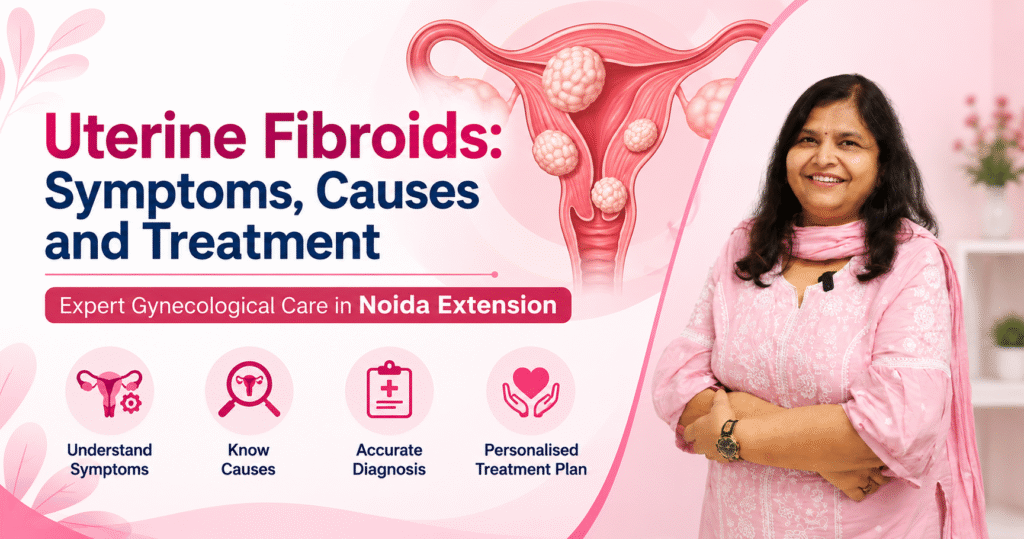
Uterine fibroids, also known as leiomyomas, are non-cancerous growths that develop in or around the uterus. They may vary in size, number, and location. Some women have small fibroids without noticeable symptoms, while others experience heavy bleeding, pain, or pressure on nearby organs.
Fibroids can develop within the muscular wall of the uterus, project into the uterine cavity, or grow on its outer surface. Their location often influences the symptoms they cause.
Although fibroids are usually benign, appropriate assessment is important when symptoms affect daily life or reproductive health.
Common Symptoms of Uterine Fibroids
The symptoms of uterine fibroids differ from woman to woman. Common signs include:
- Heavy menstrual bleeding: Periods that are unusually heavy or last longer than expected.
- Pelvic pressure or pain: A feeling of heaviness, discomfort, or fullness in the lower abdomen.
- Frequent urination: Larger fibroids may press against the bladder.
- Constipation: Pressure on the bowel can sometimes affect bowel movements.
- Lower back discomfort: Some women experience persistent back or pelvic discomfort.
- Difficulty conceiving: Depending on their size and location, certain fibroids may affect fertility.
Heavy menstrual bleeding may also lead to iron-deficiency anaemia, causing tiredness, weakness, dizziness, or breathlessness.
Not every fibroid requires treatment. However, persistent or worsening symptoms should be evaluated by a qualified medical professional.
What Causes Uterine Fibroids?
The exact cause of uterine fibroids is not fully understood. Their development is associated with hormonal influences, genetic factors, and other biological processes.
Factors that may increase the likelihood of developing fibroids include a family history of the condition and reproductive age. Fibroids often grow during the reproductive years and may shrink after menopause.
Having one or more risk factors does not mean that you will necessarily develop fibroids. A medical evaluation is the best way to investigate symptoms and determine whether fibroids are present.
How Are Uterine Fibroids Diagnosed?
If you are looking for uterine fibroid diagnosis in Noida Extension, a gynecologist may recommend the following assessments based on your symptoms and medical history.
1. Medical History and Examination
Your doctor may ask about your menstrual cycle, bleeding patterns, pelvic pain, pregnancy plans, and family history. A physical examination may also be recommended.
2. Ultrasound Examination
A pelvic ultrasound is commonly used to identify fibroids and assess their size, number, and location. Additional imaging may be considered when more detailed information is needed.
3. Blood Tests
If you experience heavy menstrual bleeding, a blood test may be recommended to check for anaemia. Other investigations depend on your symptoms and clinical findings.
4. Further Investigations
In selected cases, hysteroscopy or MRI may help clarify the location of fibroids or support treatment planning.
Uterine Fibroid Treatment in Noida Extension
The right treatment depends on your symptoms, fibroid size and location, age, medical history, and whether you wish to become pregnant.
Monitoring Without Immediate Treatment
If fibroids are small and do not cause significant symptoms, your doctor may recommend periodic monitoring rather than immediate intervention.
Medication for Symptom Management
Certain medicines can help manage heavy menstrual bleeding or pelvic pain. Some hormonal treatments may reduce bleeding, while other medicines can temporarily reduce fibroid size. Treatment suitability varies, and not every medication is appropriate for long-term use.
Minimally Invasive Procedures
Depending on the fibroid’s location and your reproductive goals, procedures such as hysteroscopic removal or other minimally invasive treatments may be considered.
Fibroid Surgery
A myomectomy removes fibroids while preserving the uterus and may be suitable for selected women who wish to retain the possibility of pregnancy. A hysterectomy, which removes the uterus, is a definitive treatment for fibroids but ends the ability to carry a pregnancy.
Your gynecologist can explain the benefits, risks, alternatives, and recovery considerations before any procedure.
For women seeking uterine fibroid treatment in Noida Extension, individualised assessment is important because the best option depends on more than fibroid size alone.
When Should You Consult a Gynecologist?
Arrange a consultation if you experience unusually heavy periods, prolonged menstrual bleeding, persistent pelvic pressure, frequent urination, or ongoing abdominal discomfort.
Seek urgent medical attention if you have very heavy bleeding accompanied by fainting, severe weakness, breathlessness, or sudden intense pelvic pain.
Women living in Noida Extension, Greater Noida West, and around Gaur City can consult Dr. Neelu Agrawal at Healing Women Clinic to discuss their symptoms and appropriate investigations.
Frequently Asked Questions
1. Are uterine fibroids cancerous?
Most uterine fibroids are benign and are not cancer. However, unusual or persistent symptoms should always be assessed by a medical professional.
2. Can uterine fibroids affect pregnancy?
Some fibroids can affect fertility or pregnancy, depending on their size and location. Many women with fibroids have healthy pregnancies, but individual assessment is important.
3. Can fibroids disappear without surgery?
Some fibroids may remain stable or shrink over time, particularly after menopause. Medication may help manage symptoms, and some treatments can temporarily reduce fibroid size.
4. Does every uterine fibroid need treatment?
No. Fibroids without significant symptoms may only require monitoring. Treatment is considered according to symptoms, growth, location, and reproductive plans.
5. Which doctor should I consult for fibroids in Noida Extension?
A qualified gynecologist can assess your symptoms, arrange appropriate investigations, and explain suitable medical or surgical treatment options.
Conclusion
Uterine fibroids are common, and their effects can range from no symptoms to heavy bleeding, pelvic pressure, and fertility concerns. Recognising persistent symptoms and seeking medical advice can help you make informed decisions about your health.
If you are looking for fibroid treatment in Noida Extension, consult Dr. Neelu Agrawal at Healing Women Clinic to discuss your symptoms and the most appropriate next steps.